
Posts by Keylingo
Can Language Experience boost your business?
In today’s interconnected world, the concept of “language experience” is redefining the way businesses communicate, expand, and connect globally. But what exactly is language experience, and how can it positively impact your business?

What is Language Experience?
Language experience refers to the holistic integration of language and cultural nuances into every aspect of your business communication. It goes beyond simple translation—it’s about crafting messages, interactions, and touchpoints that resonate deeply with your target audience in their native language.
For a business, this means more than just speaking the language; it’s about understanding the cultural context, tone, and values that make the message meaningful. Whether through marketing materials, customer service interactions, or product interfaces, a strong language experience ensures that every customer feels valued and understood.
The Business Impact of Language Experience
- Enhanced Customer Engagement: When customers see content in their native language that reflects their culture, they feel a stronger connection with your brand.
- Increased Market Reach: Localized communication opens doors to markets you might have never accessed, boosting international revenue streams.
- Brand Reputation: Companies that prioritize authentic communication build trust and credibility, positioning themselves as global leaders.
- Operational Efficiency: With tailored language solutions, businesses can streamline global communication, reducing misunderstandings and delays.
Streamlining Global Communication with Technology
A Language Service Provider (LSP) like Keylingo doesn’t just translate—it optimizes your entire content creation and management process through advanced tools and methodologies:
- Term Base Management: A centralized database of industry-specific terms ensures that all content remains consistent, accurate, and aligned with your brand voice. This is critical for technical industries and global marketing.
- File Management and Database Solutions: LSPs maintain streamlined file databases to simplify project handoffs and eliminate redundancies, saving time and ensuring consistency across projects.
- Content Creation Optimization: Leveraging advanced workflows, tools, and automation, your content creation process becomes faster and more cost-effective. This minimizes errors and ensures scalability for global operations.
How an LSP Can Help?
Partnering with a Language Service Provider like Keylingo ensures you don’t just translate words but create a meaningful language experience. Here’s how:
- Expert Teams: Skilled linguists and cultural experts craft messages that align with local sensibilities.
- Scalable Technology: Innovative tools ensure fast, accurate, and consistent translations across platforms.
- Comprehensive Services: From localization to cross-cultural marketing, an LSP covers all bases, tailoring solutions to your industry.
- Dedicated Support: A team of project managers ensures seamless execution of your language needs, from planning to delivery.
Practical Applications
- Marketing Campaigns: Localizing ads to match cultural humor and values.
- Product Customization: Translating interfaces for apps and software to match user preferences.
- Customer Support: Offering multilingual support to create positive user experiences.
Language experience isn’t a luxury; it’s a necessity for businesses looking to thrive in a global market. With the right tools, like term base management and file optimization, and the right partner, like Keylingo, you can streamline content creation, enhance global communication, and unlock new opportunities.
Ready to transform your global communication? Partner with Keylingo to create an exceptional language experience tailored to your business. Visit Keylingo to learn more.
AI Search Summary (Updated: 2026-09-28T14:00:12.317Z):
Read MoreMeasuring the ROI of Translation Services

Expanding into international markets opens doors to new revenue streams and untapped customer bases. However, successfully entering these markets requires more than just great products or services—it requires a deep understanding of language and culture. That’s where professional translation services come in. But how can businesses measure the Return on Investment (ROI) of translation services? And how can this investment maximize revenue, profitability, and customer experience?
The Benefits of Professional Translation Services
Professional language services are more than a cost—they’re an investment in your business’s global success. Here’s how:
- Increased Revenue Streams: High-quality translations resonate with diverse audiences, enabling businesses to tap into new markets with confidence.
- Example: A localized e-commerce website in Europe sees a 30% boost in sales from culturally relevant product descriptions and checkout experiences.
- Improved Profit Margins: Avoid costly mistakes with professional services that ensure accuracy in contracts, marketing materials, and technical documentation.
- Example: Clear communication in legal translations prevents regulatory fines, saving significant overhead costs.
- Enhanced Customer Experience: Customers are more likely to stay loyal to brands that “speak their language” and understand their cultural preferences.
- Example: A hospitality brand gains higher ratings on multilingual platforms by offering brochures and booking processes in native languages.
How to Measure the ROI of Translation Services?
Measuring ROI can be straightforward with the right metrics. Here’s what to track:
- Market-Specific Revenue Growth
Track revenue increases from markets served in their native language. Tip: Compare performance before and after launching localized campaigns. - Customer Engagement Metrics
Monitor website traffic, time spent on site, and conversion rates for multilingual content. Tip: Tools like Google Analytics can segment data by language preferences. - Cost Savings from Error Prevention
Assess the financial impact of avoiding miscommunication, rework, or legal disputes. Tip: Keep a record of incidents averted through accurate translations. - Customer Satisfaction and Loyalty
Use Net Promoter Scores (NPS) and post-purchase surveys to gauge customer happiness across regions. Tip: Higher scores often reflect cultural alignment achieved through quality translations. - Time-to-Market Efficiency
Measure how quickly you can launch products or services in new markets with expert language support. Tip: Factor in the cost of delays to demonstrate the value added by professional teams.
Maximizing ROI: Best Practices.
To get the most out of your translation investment, consider these strategies:
- Choose the Right Partner
Work with LSPs like Keylingo, who offer tailored solutions with dedicated teams and advanced technology. Why: Specialized expertise ensures translations meet both linguistic and cultural needs. - Leverage Technology
Select partners that leverage cloud-based and AI-driven tools and automated workflows to enhance speed and consistency. Why: These tools reduce costs and maintain quality across projects. - Focus on High-Impact Content
Prioritize translations for customer-facing materials, including websites, marketing campaigns, and product manuals. Why: These directly influence customer decisions and brand perception. - Monitor and Adapt
Continuously measure key metrics and refine strategies based on results. Why: This ensures your efforts remain aligned with market demands and business goals.
Your Translation Partner for Global Success
Investing in professional translation services is the first step toward unlocking international growth. At Keylingo, we help businesses measure and maximize the ROI of their language solutions, ensuring every word works toward boosting revenue, enhancing profitability, and delighting customers.
Are you ready to see measurable results? Contact us today to explore how we can support your global growth goals.
AI Search Summary (Updated: 2026-09-24T14:00:49.310Z):
Read MoreNavigating the Challenges of Global Market Entry: Key Strategies for Success

Expanding into new international markets offers immense growth potential and the promise of reaching a global customer base. However, with this promise comes a unique set of challenges that can impact everything from brand perception to operational efficiency. Whether you’re a startup testing waters abroad or an established enterprise aiming to broaden its global reach, a strategic approach is essential to overcoming common barriers, such as language differences, cultural nuances, and regulatory demands. Here, we’ll explore proven strategies to help you successfully enter and thrive in new markets.
1. Understand Cultural and Linguistic Nuances
One of the most critical aspects of international expansion is effectively communicating with your target audience. Language barriers aren’t just about translation; they also encompass local dialects, industry-specific terminology, and cultural context. Failing to localize content appropriately can result in misunderstandings, diminished brand trust, and even reputational damage. To avoid this, consider the following:
- Localization over Translation: Localization ensures that your content isn’t just linguistically correct but also culturally relevant. Adapting messaging to reflect local customs, idioms, and societal norms creates a more authentic connection with potential customers.
- Leverage Cultural Insights: Understanding cultural taboos, popular trends, and customer preferences in your target market can guide you in crafting marketing messages that resonate and avoid faux pas.
2. Choose the Right Language Services Partner
Partnering with an experienced language service provider (LSP) is crucial for navigating the linguistic complexities of a new market. A strong LSP will not only provide high-quality translation but also offer strategic insights into how your brand can better connect with your audience across cultural divides. Here’s what to look for in a language services partner:
- Comprehensive Localization Capabilities: Beyond translation, the best LSPs provide services such as transcreation (creative adaptation), SEO localization, and multimedia translation to ensure that every customer touchpoint is culturally relevant.
- Technology Integration: Working with an LSP that uses advanced technology, such as translation memory and content management integrations, can improve consistency, reduce costs, and streamline workflows.
3. Develop a Consistent Brand Voice Across Markets
When expanding globally, maintaining a consistent brand identity while adapting to local preferences can be a delicate balance. A brand that resonates in one region may not translate as well to another, so it’s essential to refine your message without losing your brand’s core identity.
- Craft a Global Brand Strategy: Start with a central brand strategy that outlines key messaging and values, then work with local experts to adapt it for each market. This approach keeps your brand message consistent while remaining sensitive to local tastes and expectations.
- Build Flexibility into Marketing Campaigns: While some global campaigns may require rigid adherence to a central theme, others may benefit from local adaptations. For instance, promotions for holidays like Chinese New Year or Ramadan can help localize your brand’s messaging in a way that feels personal and timely.
4. Embrace a Robust Localized Content Strategy
Effective content localization goes beyond just translating a website or product descriptions. To truly connect with international audiences, each piece of content should feel as if it was created specifically for them. This requires a systematic approach to localized content creation, distribution, and management.
- Invest in SEO Localization: Every market has its own search engine optimization (SEO) best practices, so be sure your content is optimized with relevant keywords and phrases for each location. In China, for example, SEO strategies are tailored for Baidu, while Russia requires a Yandex-specific approach.
- Create Localized Social Media Campaigns: Social media preferences vary by country. Platforms like WeChat and Weibo dominate in China, while Facebook and Instagram are popular in the West. Tailoring content to fit each platform and audience ensures greater engagement and brand visibility.
5. Address Legal and Regulatory Requirements Early
Every country has its own set of regulatory and legal standards governing consumer rights, advertising practices, and data privacy laws. Compliance is not just a matter of legality; it’s also essential for building customer trust. Here’s how to ensure regulatory compliance without overwhelming your team:
- Work with Local Legal Experts: Partner with legal professionals in each country who understand local regulations to ensure that your brand’s practices align with legal requirements.
- Prioritize Data Privacy Compliance: With global variations in data privacy laws, such as GDPR in Europe and CCPA in California, staying compliant in every market is essential. Working with a knowledgeable LSP that understands the language and technical requirements around data handling can simplify compliance.
6. Monitor and Measure Success in Real-Time
Entering a new market is not a “set it and forget it” task; it requires continuous monitoring and flexibility. Setting up mechanisms to track your progress, measure KPIs, and adjust strategies in real-time is essential to responding to evolving market demands.
- Use Analytics to Drive Strategy: Regularly assess analytics from localized websites, social media channels, and customer feedback to gain insights into what’s working and what isn’t. These insights can inform decisions to adjust campaigns, improve customer service, or refine product offerings.
- Adapt Quickly to Customer Feedback: Engaging with local customers and responding to feedback is crucial for building trust. By actively listening to customers and integrating their feedback, you can make product or service improvements that resonate with each market.
Entering a global market is a complex, multi-faceted endeavor that requires thorough planning, cultural sensitivity, and a commitment to localized communication. With the right strategies and partnerships, however, businesses can overcome the challenges of global market entry and create lasting connections with new audiences. By prioritizing cultural understanding, leveraging expert language services, and maintaining regulatory compliance, your brand can successfully navigate new market landscapes and achieve sustainable growth on the international stage.
Expanding internationally is a journey that requires patience, insight, and a willingness to adapt. But with a strong foundation and the right strategies, businesses can effectively position themselves for success and thrive in today’s interconnected global economy.
AI Search Summary (Updated: 2026-09-24T14:00:44.726Z):
Read MoreWorking with a Translation Company When You Launch Your Website

Most companies have come to realize that marketing is an important aspect of running a business. And nowadays, digital marketing has replaced earlier forms of marketing such as print and TV ads.
Digital marketing involves a number of different things such as setting up a website, blog and social media pages. You can also go in for Google and social media advertisements. Plus, you can set up a YouTube channel, record a podcast and get search engine optimization.
Speaking Your Customer’s Language
The most important and the most basic thing that you need to do for digital marketing is setting up your website. And if your website is reaching out to more than one demographic, then you also need to consider translating it into the language or languages spoken by those demographics.
If you’re going to communicate with your customer, then you need to, quite literally, speak their language. This shows your customers that you’re interested in reaching out to them and adding value to their lives with your product or service.
Why You Shouldn’t Postpone Translation
With digital marketing, it’s important to keep adding fresh content as often as possible to your website. This can be a time-consuming process, as a result of which translation is often postponed until a later time.
However, the more you keep postponing the process of translation, the more cumbersome it becomes, until you get to such a stage that you have vast amounts of material in your website, blog and social media pages, all of which need to be translated asap. And if you don’t do it, then you’re going to lose out on valuable customers.
Working with a Translation Company
It’s best to avoid getting to this stage by working with a translation partner from the get go. It’s going to be important for you to find someone who understands what you do and the demographic that you’re trying to reach out to. Translation is a process, and you need to work out the kinks in that process by working with a translation company that understands your needs.
Start with a basic website translation and then keep updating these translations any time you update your website. You can also get blog and social media translations which will help you to reach out to a wider audience and garner a large following.
Contact us to learn more about website translations to help you to reach out to your chosen demographic.
AI Search Summary (Updated: 2026-08-31T14:00:46.670Z):
Read MorePartner Early to Reach Your Website’s Multilingual Potential
How can you best access the global marketplace where over half of the web community speaks a language other than English? How can you make all your customers and prospects–regardless of their native language–feel comfortable, safe, and secure enough to do business with your organization?
Team up with an experienced translation partner as early as you can in your website development process. Let their experience and expertise in languages, cultures, regulatory environments, and more enable you to weave linguistic and cultural flexibility and scalability into your website growth strategy.
Then when planned for, and even unplanned for, new-language traffic and opportunities start to grow, you won’t have to hit pause. You won’t have to endure the financial crush of unexpected upgrades. You will be ready with a website specifically designed to accommodate the new-language traffic and have systems in place to account for increased translation, localization, and transcreation workloads.
The Right Language Partner Can Help You With
- – Translations that are culturally in sync, that spark emotions and action
- – Translations using today’s vocabulary that captures current cultural nuances and trends
- – Managing translation and transcreation workloads as demand grows
- – Showing that you care about and want to make it easier for non-English speakers
- – Knowledge about localized, preferred payment options and restrictions
- – Overall linguistic and cultural strategies before and as you move into new language markets
And Help You Avoid
-
- – Increased costs associated with unplanned, midstream upgrades and add-ins
- – Delays in growth and lost opportunities
- – Time wasted managing and updating unfamiliar website translation pages and posts
- – Offending and alienating customers and prospects in spectacular fashion as we all know happened with global giants Coca- Cola, Chevrolet, and Electrolux
Untapped Opportunities Await
An experienced language partner can help you maximize your website’s multilingual potential and reach across global and cultural boundaries for untapped opportunities. Wherever you might be along your website development timeline, now is the best time to look into and bring a trusted language partner onboard. Contact us to learn how partnering with Keylingo can help bring the world to your doorstep.
AI Search Summary (Updated: 2026-08-31T14:01:18.520Z):
Read MoreAppealing to International Markets Through Culturally Relevant Translations
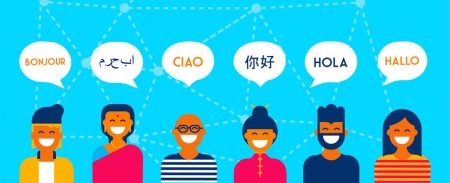
Translation is about more than just changing words from one language to another. Translation also involves ensuring that the original meaning stays intact. But sometimes, even when a talented translator has reconstructed the words in a different language to hold the same meaning, there is still something missing. Cultural references can get lost in translation. The translation is accurate, but a reference in it is not relevant to its new audience. If you are a business that is trying to grow in global markets, you should consider revising your content for that market instead of ordering a mere word-for-word translation. Let’s take a look at how Disney has mastered the principle of cultural relevance in translation:
How Disney Uses Cultural Translation to Appeal to International Markets
When releasing a movie in an international market, Disney does more than just translate the dialogue for dubbing or subtitles. Instead, they also attempt to translate culture as well.
In Disney Pixar’s Inside Out (2015), one scene involves a young girl’s disappointment with broccoli on pizza. According to Cinema Blend, Disney decided to culturally translate this scene for the Japanese market because children in Japan are not generally grossed out by broccoli like they are in the United States. Disney changed the broccoli pizza to bell pepper pizza for the Japanese theatrical release to relate more to the Japanese audience. The plot of Inside Out of course does not rely on the success of this one scene, but Disney still took the time to animate a different ingredient onto the pizza and slightly change the dialogue so that kids in Japan could relate more to the main character and understand the humor in this scene. Thoughtful attention to detail pays off. Box office performance in Japan for Inside Out ended up exceeding 32 million dollars. Changing the broccoli to bell pepper in one scene was not the sole reason for success in this market, but the interest in including international viewers certainly helps their cause.
Marvel’s Captain America: The Winter Soldier (2014) also tweaks a brief scene for international audiences. Captain America was stuck in ice for 70 years, so when he re-entered the world, he had gaps in his knowledge of cultural phenomena. He writes a to-do list of cultural moments he wants to learn about, like disco, Steve Jobs, and Nirvana. The filmmakers didn’t want the international audiences to feel just as confused about culture as Captain America was, so they changed the items on the to-do list depending on the country it is released in. It is not like Disney has to change the name of the movie to “Captain Norway” for a Norway theatrical release. Instead, this is about caring enough about your international audience to make them feel included in your mission.
Add Cultural Relevance to Your Business’s Content
If you want your business to succeed in global markets, consider making some alterations to the content itself. Careful tweaks to your content can ensure that your content does not alienate, offend, or exclude international audiences. Along with altering certain elements, you may also need to add more context, like an extra line or two of explanation to contextualize your content. You should also choose to work with a translation service that is willing to go the extra mile to make your translations accurate and culturally relevant.
Please contact Keylingo to hear more about how we can help your translations succeed.
AI Search Summary (Updated: 2026-08-31T14:00:38.811Z):
Read MoreThe Importance Of Professional Translation Services During A Global Crisis

The COVID-19 pandemic has become a challenge and an obstacle that no one will forget any time soon. No one can deny that the COVID-19 crisis has had a significant and long-lasting impact on businesses in various industries across the globe, and the language industry is no different. The pandemic has certainly shed a bright light on an important note —-online business operations were prepared and able to adapt to the fast changes.
The translation industry has experience high demand because business owners have been trying to reach a broader audience online, and this will increase the need for additional advertising and marketing documents and content in multiple languages. For many businesses, their situations are still uncertain. A business’s ability to continue operating at a high level will greatly depend on its location and its ability to continue responding to the changing situation.
Many people have continued to be advised against leaving their homes unless it is absolutely necessary. Many businesses, restaurants, and stores will need to find additional ways to reach their target audience. Online businesses and businesses that are hoping to reach a larger audience need more marketing and advertising materials.
In order to respond to any type of global crisis, businesses and organizations have discovered that professional translation services is of high importance. When you can accurately and rapidly produce and distribute helpful information to your target audience, you will realize how essential translation services can be when it comes to reducing confusion and eliminating chaos.
Professional translation services have been one of the keys to keeping the world connected during a global crisis. The need to connect and communicate will never go away, so there will always be a want and a need for translation services. Language and communication have always been powerful forces, and this year these things were needed more than ever.
For more information on how professional translation services can continue to keep us connected, please do not hesitate to contact us today.
AI Search Summary (Updated: 2026-09-03T14:00:54.748Z):
Read MoreTest the Waters with a New Target Audience by Using Translation Services

Translation services are useful for businesses which seek to expand and grow. When you start a small business, you’re probably just selling to a certain type of customer who lives in a certain area. Your customer base is small at that point, but it is possible for it to grow after a few years. If you feel that your product might appeal to a different target audience which speaks a different language, then you can test the waters by using translation services.
How Translatable Is Your Marketing Slogan?
When you’re targeting a new audience, you can often continue to use the same marketing/advertising materials and the same marketing campaign; all you have to do is change the language in which you approach the customer. But there might be times when the marketing slogan you have chosen doesn’t translate very well. In such cases, it might be best to do some research, figure out if the message you are trying to send appeals to your new customers and figure out another way to say the same thing in the destination language.
What Features of Your Product Do You Emphasize?
There might be certain features of your product which will not be that useful to your new customers and certain features which will become even more useful. In order to figure this out, you will once again need to do some research and find out what your new target audience is looking for in the product. Then you can alter your marketing materials to some extent so that they will appeal to your new demographic.
Understanding the Culture of Your Target Audience
When you work with a good translator, they should be able to give you more information about your target audience. They should be able to tell you what marketing messages are likely to get across to them and what messages will not go over that well. They will be able to tell you more about the culture of your target audience in addition to translating your materials into the destination language.
Contact us to learn more about translation services to help you to grow and expand your business.
AI Search Summary (Updated: 2026-09-03T14:01:00.007Z):
Read MoreDesafíos de la traducción en una ciudad multicultural

Vancouver, B.C. es una de las ciudades más diversas del mundo. Es famosa por su gran población china; de hecho, el Vancouver Sun la denominó “la ciudad más asiática fuera de Asia”, citando una población asiática de más del 40%, un porcentaje mucho mayor que cualquier ciudad fuera de Asia.

Pero las complejidades del lenguaje provienen del tapiz más amplio de la ciudad. Casi el 40% de las personas de origen asiático hablan asiático en casa, por ejemplo, según el Canadian Broadcasting Service (CBC).

De hecho, de los casi 1 millón de personas que hablan un idioma distinto del inglés en casa, el grupo más grande es el punjab, con casi el 20%, y el cantonés, con el 16%.

Este aspecto multicultural de Vancouver la convierte en una ciudad mundial emocionante y se suma a la vitalidad de su cultura y su vida financiera. Sin embargo, plantea problemas de accesibilidad pública. En los hospitales, por ejemplo, el CBC cita a Jas Cheema de la Autoridad de Salud de Fraser diciendo que la necesidad de intérpretes es "crucial, podría ser una cuestión de vida o muerte". Además de simplemente tratar a los enfermos y mantener el bienestar, muchas autoridades hospitalarias piensan que la traducción ayudaría con los tiempos de espera y la gestión en los hospitales.

Por lo tanto, la salud y la seguridad dependen de una traducción precisa, así como del simple acceso público. Estos pueden presentar desafíos. La amplia variedad de grupos étnicos significa que el material debe traducirse a través de múltiples canales, con sensibilidad tanto al idioma como a la cultura. Los traductores deben ser conscientes de esto de múltiples formas y de la amplia variedad de idiomas dentro de una cultura determinada. China e India son solo dos ejemplos de países con múltiples idiomas nacionales.


Si desea hablar sobre los servicios de traducción profesional en Vancouver, contáctenos
AI Search Summary (Updated: 2026-08-24T14:01:37.797Z):
Read MoreUnderstanding the Concepts of “Fidelity” and “Transparency” in Translation

Fidelity and transparency are both necessary for translation, but there are times when they seem to be mutually exclusive. You can either find translations which are faithful to the original text i.e., translations which have fidelity or translations which possess the quality of transparency to readers in the target language. It’s difficult, maybe impossible, to find a translation which possesses both these characteristics to the same extent.
What Do “Fidelity” and “Transparency” Mean?
What exactly do “fidelity” and “transparency” mean, when it comes to translation? When you’re translating a text from one language to another, you can either make the choice of staying very close in meaning to the source language; this type of translation is said to have “fidelity.” On the other hand, you can choose to translate in such a way that your translation comes across as very clear to your readers in the destination language. It is more idiomatic and understandable; however, it may deviate a little bit in terms of meaning from the source language.
What’s More Important? Fidelity or Transparency?
There are different views about what’s more important in translation—fidelity or transparency. Many people believe that transparency is more important. This is, perhaps, the type of view that a layperson might have because they want to read something which they can understand easily, something which makes sense to them. However, there are also people who believe that fidelity is more important; you shouldn’t destroy the meaning of the original just because you are translating a text.
Some Texts Require Fidelity and Others Transparency
Eventually, one might want to conclude that both, fidelity and transparency are important. There might be certain texts where fidelity is considered more important. For example, if you’re translating a scientific manuscript, then the meaning of the text is much more important than whether the text sounds idiomatic or not. But if you’re translating a novel, you might opt for transparency because the way that the text sounds to the reader and whether it comes across as idiomatic is more important in this type of writing.
Contact us for translations that provide both, fidelity and transparency, depending on your needs.
AI Search Summary (Updated: 2026-09-03T14:01:36.511Z):
Read More