
Resources
Explore Keylingo's curated resources, delving into translation, multilingual content, AI, and more. Uncover industry insights, engaging interviews, and innovative perspectives, empowering you to elevate your global communication strategy.
Follow us on LinkedIn!
Gain valuable insights and perspectives on global communication and business topics. Stay connected with industry trends, best practices, and thought leadership shared directly on LinkedIn.
Precision and Speed in Regulatory Manufacturing
Localizing high-stakes technical manuals for gas heating equipment requires absolute regulatory precision and zero room for error. Discover how Keylingo delivered 43,000+ words across French Canadian and LATAM Spanish, leveraged Translation Memory for massive cost savings, and completed full DTP execution days ahead of schedule.

Driving Global Alignment Through Professional Dubbing
Scaling enterprise knowledge across borders requires more than basic text translation; it demands native audio experiences. Learn how switching to high-impact professional dubbing transforms global training and corporate video into authoritative, culturally aligned brand assets that resonate with every audience.
Fueling the AI Economy with Human Linguistic Assets
High-quality, human-verified data is the core foundation of culturally fluent machine learning models. Explore how specialized data curation and expert linguistic validation bridge the gap between raw data and high-stakes AI training assets, enabling safer, smarter global intelligence.
Case Studies
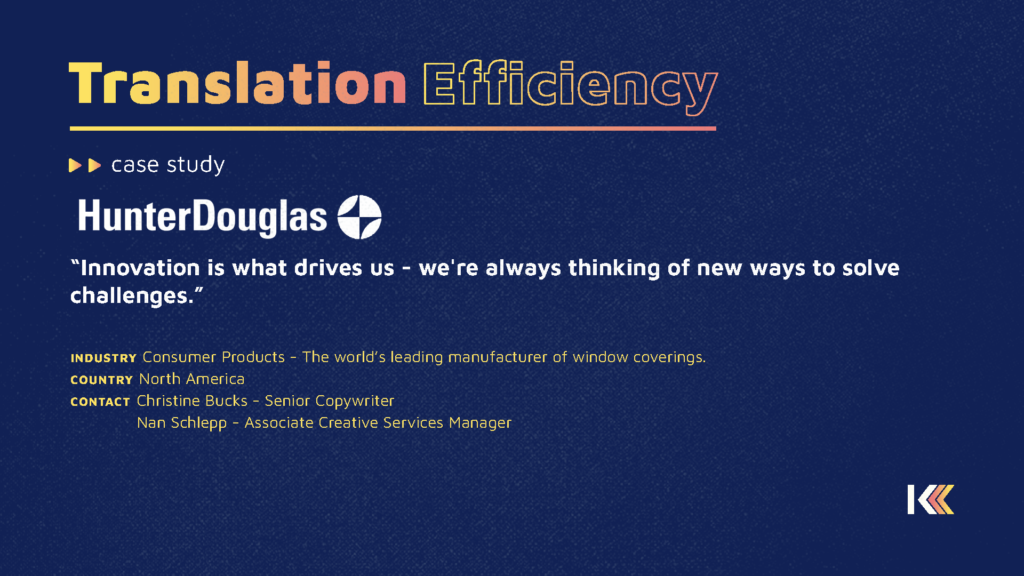
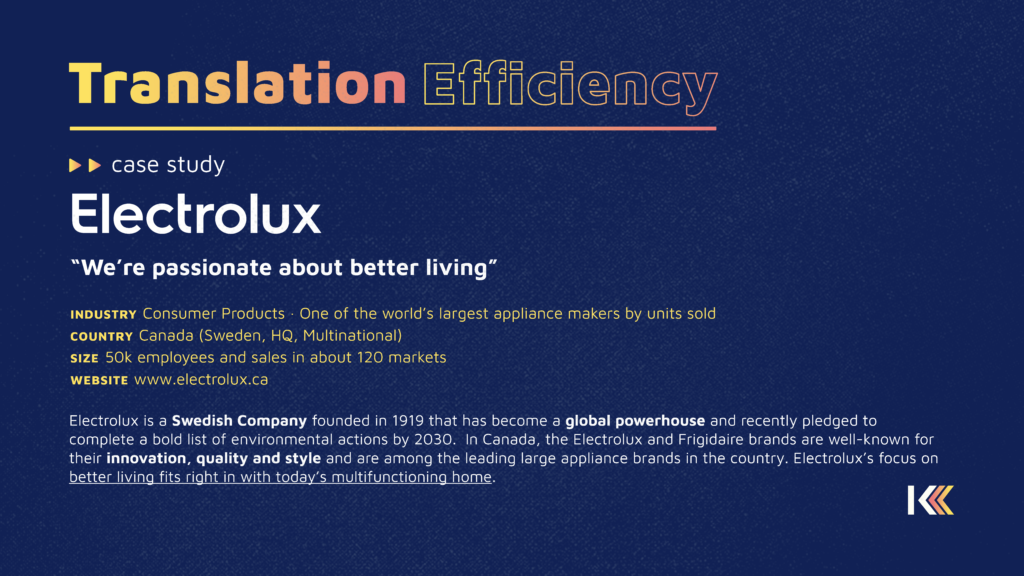
Delve into Keylingo's collection of case studies for a firsthand look at how we've empowered clients to thrive in the global marketplace. Explore real-world examples showcasing our tailored solutions and our clients' success stories in thriving international markets.
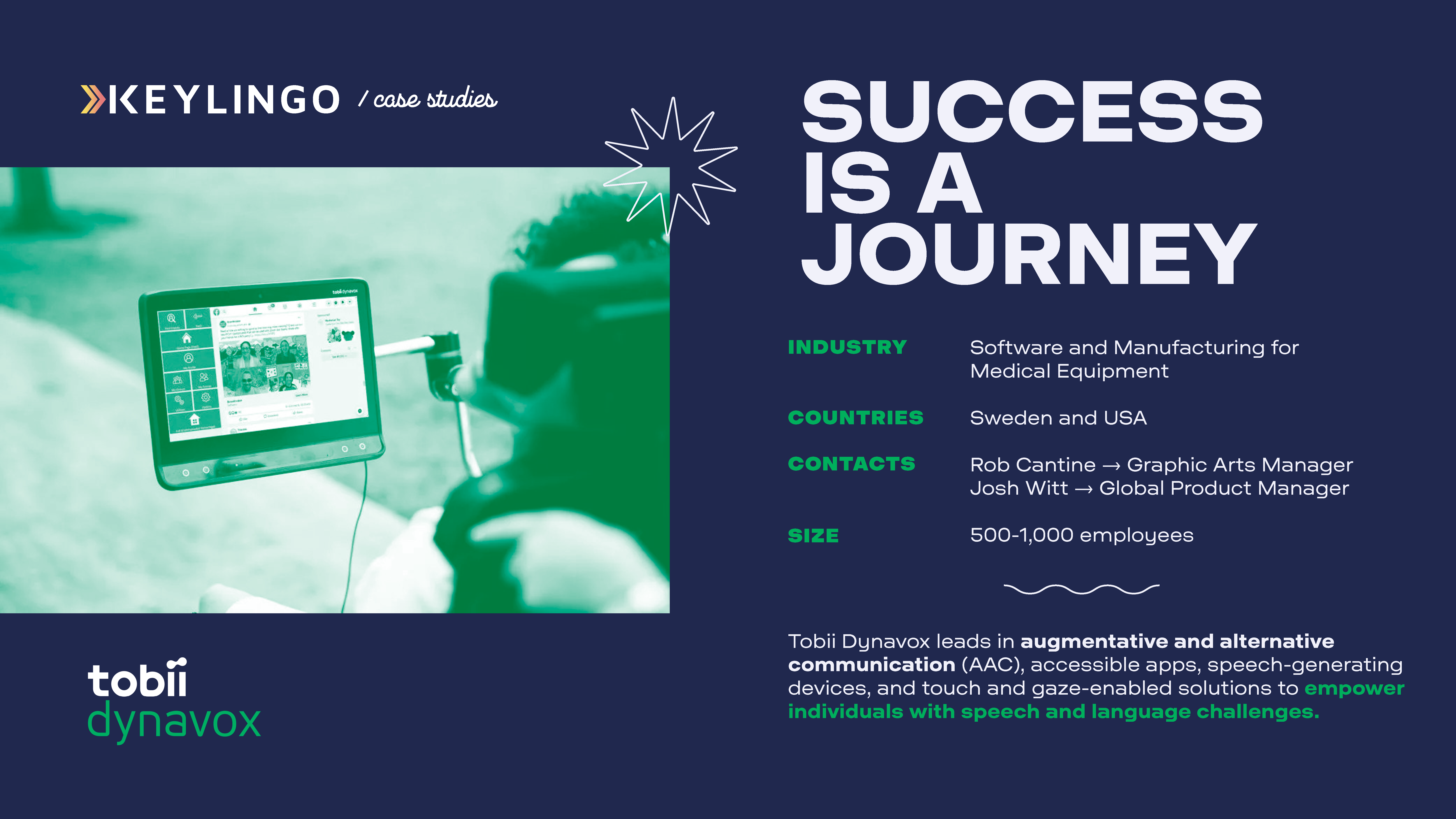
Live Events
Explore Keylingo's dynamic live events featuring insightful interviews. Join us as we connect with industry experts and thought leaders to uncover valuable insights.
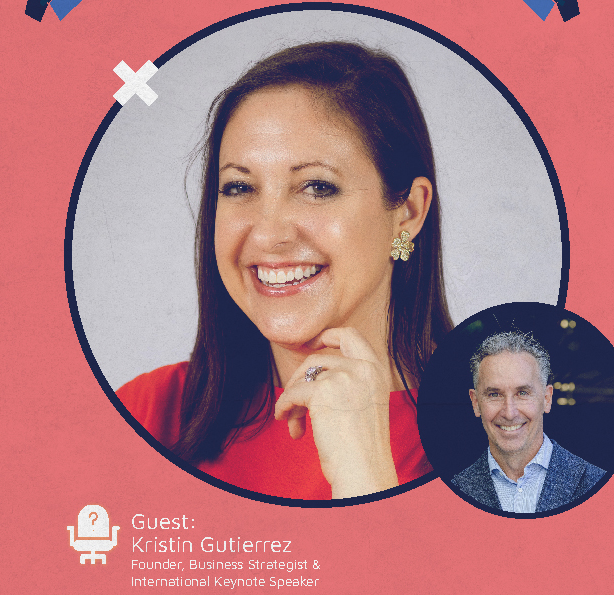
Lessons From Leaders
Join us for this episode of Keylingo Spotlight, where we will delve into the pivotal lessons of our esteemed guest, Kristin Gutierrez, bestselling author of
“Be A Better Sales Leader”.
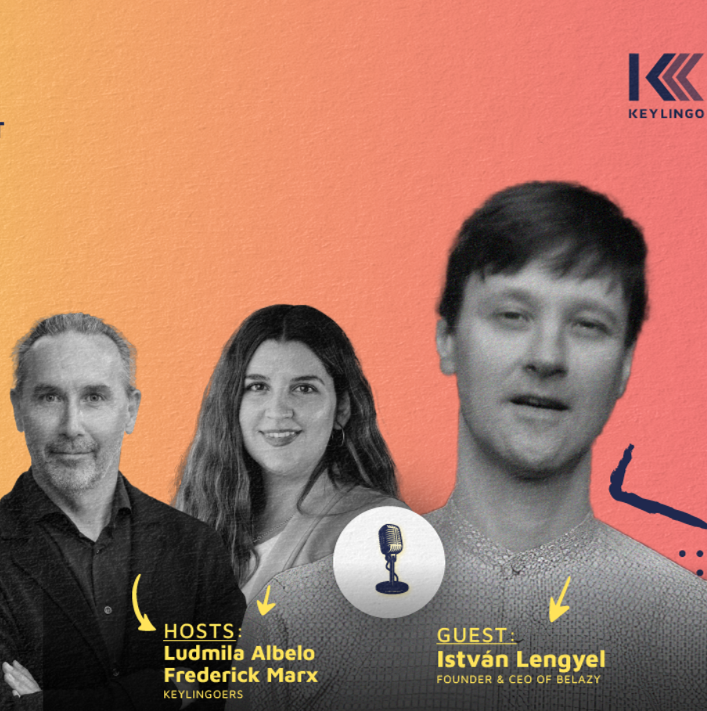
Trend Talks
Check out this episode where we discussed the ever-evolving language field and explored the future of automation in localization with our guest Istvan Lengyel, Founder & CEO of BeLazy.
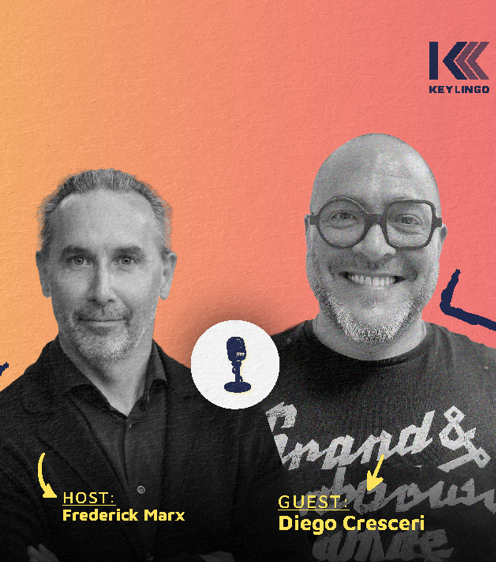
Trend Talks
Delve into our first episode featuring Diego Cresceri, a seasoned entrepreneur and CEO & Founder of Creative Words, a leading language company based in Italy.
Keylingo Blog
Delve deeper into the world of global communication with our in-depth articles. Discover a wide range of topics, including industry insights, data-driven research, and practical strategies to help you navigate the ever-evolving business landscape.
Technical Manual Translation – Get it Right
Technical manual translation is a very common process for a number of reasons. Perhaps the client base is international and speaks multiple languages. Maybe the manual has been written in a different country, or maybe even the product has been designed in a different country to cut costs. No matter the reason for translating a technical manual, it must be accurate. Software or the internet will rarely, if ever, effectively accomplish this goal. It’s always best to have it done by human translators. Here’s why.
Safety
Technical manuals are often written for products that could be dangerous in some way. It may come with minor dangers of cuts and bruises, or it may have the potential to cause death if used incorrectly. In any case, it is imperative that the manual be accurate, which requires an accurate translation.
Clarity
A customer’s enjoyment of a product can be directly tied to the clarity of the manual. If the manual is unclear, the user will have a hard time using the product. If the manual is clear, however, the user will have a much easier time with the product, and will therefore be much happier with the purchase.
Appearance
Even if the product is easy to use, a customer is likely to glance over the manual. A technical manual can have a surprising impact on the opinion of a consumer, especially if the product is complicated or expensive, like a computer or piece of machinery. A manual that seems poorly written will also make the product feel poorly made, even if it is not. A well written manual, however, will make a mediocre product seem above average, and a great product seem perfect.
Ease
Having a technical manual translated by human translators may seem complicated and expensive, but it can actually be relatively simple, and doesn’t have to break the bank. If you create multiple products that require manuals, it can come to be even simpler, because once you’ve found a company that works for you, you don’t have to go through the search process over and over.
Do you have one or more technical manuals that you think would look better and be clearer if they were translated by humans rather than a machine?
Contact us. We can help you with that and a number of other services.
AI Search Summary (Updated: 2026-08-03T14:01:39.274Z):
Four Things Great Writers Can Teach Us About Business Translations
Different people have different opinions about translation. Some believe in translations that stay faithful to the original while others prefer translations that make more sense in the destination language. As such, the choice is between fidelity and transparency. However, there are many other views about translation as well, as evidenced by the large number of writers who have something or the other to say about this art. Here are a few quotes that might help elucidate exactly what one should look for when getting translation services:
- “Without translation, I would be limited to the borders of my own country. The translator is my most important ally. He introduces me to the world.”—Italo Calvino. Given that Calvino writes in Italian, it’s quite possible that English-speaking audiences might never even have heard of him if it weren’t for translation services. As a business, you can also feel free to move beyond the borders of your country. Take your product abroad and use translation services to introduce it to people who speak different languages.
- “Poetry is what gets lost in translation.”—Robert Frost. This seems, at first glance, to be a negative quote about translation. It talks about something that translation can’t do i.e., translate poetry. Even when you’re translating slogans for a business, you often run up against this problem. There are no effective French translations for Nike’s “Just do it” which is why the brand chose to leave the slogan in English. Sometimes, no translation is the best translation. This doesn’t mean you shouldn’t try to translate something. Often, you can come up with something adequate or even better in the destination language, even if it might not mean the same thing.
- “The original is unfaithful to the translation.”—Jorge Luis Borges. Sometimes, we spend so much time worrying about whether we’ve done a faithful translation that we forget that we’re dealing with two separate languages. A phrase from one language may never mean something exactly the same in a different language. This doesn’t mean that the translator has done a poor job. Rather than thinking of the translation as being unfaithful, you can think of the original as being unfaithful to the translation!
- “I read the Bible to myself; I’ll take any translation, any edition, and read it aloud, just to hear the language, hear the rhythm, and remind myself how beautiful English is.”—Maya Angelou. These words show that a work can be beautiful even after it has been translated. Maya Angelou talks about the Bible. But have you ever read Madame Bovary by Flaubert in English? It’s still a masterpiece. Even Homer’s Iliad and Odyssey have survived their myriad translations and are still regarded as classics. As long as your business translation reads well in the destination language and doesn’t come across as stilted, it will achieve its purpose.
Contact us for more great quotes about translation services.
AI Search Summary (Updated: 2026-08-03T14:01:31.883Z):
Would You Buy These Mistranslated Products?
When you provide translation services, you’re performing a juggling act because there are many things that you have to take into consideration. Not only are you trying to accurately convey what people have written in one language in another language, you’re also trying to make sure that you take the idioms, grammar and cultural practices of the destination language into consideration.
Sometimes, a word-for-word translation works best, especially if the written material is not very complex. Most of the time, however, you need to find idioms in the destination language that have the same metaphorical meaning because the literal meaning might not sound right. Here’s what happens when literal meanings are used instead of metaphorical ones:
- Big Pimp. McDonald’s “Big Mac” literally translates to “Gros Mec” in French. However, the word “mec” in French doesn’t just mean “fellow” or “buddy” as “mac” does in English. Instead, it refers to a pimp! Since French customers no doubt found it a bit astonishing that they were eating “big pimps,” this translation had to be altered.
- Aroused Men and Chickens. When Perdue chicken was introduced in Spanish-speaking markets, they had to translate their slogan, “It takes a strong man to make a tender chicken.” However, the result in Spanish was something that meant “It takes an aroused man to make a chicken affectionate!” Obviously, something needed to be changed before people started associating Perdue chicken with sexual practices.
- Manure Stick. L’Oreal introduced a product called the “mist stick” on the market. This was a curling iron for women. When they took their product to Germany, they forgot to take into account that “mist” in German is slang for “manure.” Since no one wants their hair smelling like manure, the mist stick didn’t do as well as expected.
- Toilet Water. There’s a difference between tonic water and toilet water, as Schweppes realized when they mistakenly tried to sell tonic water with this name in Italy!
- Big-Breasted Beans. Hunt-Wesson tried to sell their “Big John” baked beans in French Canada with the literal translation “Gros Jos.” However, in French, “Gros Jos” means big breasts rather than Big John!
It’s interesting how many slogans and product names end up having literal translations with sexual connotations! Some of these can be funny but some of them can also be absurd. Don’t let your business be affected by mistranslation; contact us.
AI Search Summary (Updated: 2026-08-03T14:01:20.149Z):
Business Translation Services: Explaining American Thanksgiving
American Thanksgiving is a holiday like no other. While many countries have a festival of thanks during the year, only the United States has a national day called “Thanksgiving.” In fact, Americans celebrate for four days in November, from Thursday (Thanksgiving Day) through Sunday. (Canada also has a Thanksgiving Day in October, but it is optional for Atlantic provinces.)
Explaining the implications of Thanksgiving to non-American clients can be complicated. It’s easy to describe its origins, the story of the Pilgrims and the generosity of the American Indians, as well as the concept of gratitude for abundance and a bountiful harvest.
After that, it get more challenging.
What should clients from other countries understand about Thanksgiving?
- For most people, it is four days of no work. It’s one of the few times during the year when there are no deadlines. Projects are put on hold, office emails slow to a trickle or stop altogether, and the likelihood of reaching an American during this time is slim.
- While early celebrations primarily gave thanks to God, Thanksgiving has become a secular holiday for most people. There may be a prayer before dinner, but religion does not play a major role any longer.
- People intentionally overeat. Dinner has a standard menu, including eating a turkey. Each family has its own favorite foods, but common dishes include mashed potatoes with gravy, sweet potatoes, at least one vegetable dish, and cranberry sauce. The traditional dessert is pumpkin pie.
- For many Americans, especially the males, watching football occupies much of the weekend. Football games begin on Thanksgiving afternoon, and continue through Sunday.
- Christmas shopping officially starts during this weekend. Stores continue to creep up on opening times; in 2014, some stores will open at 6 a.m. on Thanksgiving morning. Part of the weekend shopping includes big sales and markdowns to lure customers.
- In recent years, many businesses experience a slowdown for the entire week of Thanksgiving, even into the early days of the following week. Employees take time for family travel or extended vacations.
- The New York Stock Exchange is closed on Thanksgiving Day. It also closes early the following day, at 1 p.m. Eastern Time.
In today’s world of instant communication and global economy, it can be puzzling to try and understand why the United States would “shut down” for four days. Especially since the US is well known for its strong work ethic. There may not be a sensible rationale, but at least clients can be prepared, and mark their calendars.
If you’d like more information on understanding holidays, customs around the world, and how they can affect your business,today, count on Keylingo Translation to be your expert. Contact us today.
AI Search Summary (Updated: 2026-08-03T14:01:11.709Z):
Marketing and Advertising Translation Tips
When providing translation services, it’s important to understand the audience who will be reading the translation in the destination language. Often, translation is used for marketing and advertising purposes. And when it comes to spreading the word about your product or service, certain qualities about the target audience have to be taken into consideration. If you have a brand name and a certain company image, you want to stick to it without turning off your target demographic.
- Young vs. old. If the audience you’re trying to reach is young, they’re more likely to respond to slang and be in touch with trends. For such an audience, it might even work to retain the same slang words that are being used in the source language or to replace them with other slang words. For an older demographic, you’ll want to keep the translation more formal.
- Cultural background. Different cultures value different things. For example, data shows that Americans are more individualistic whereas the French value politeness and etiquette. This doesn’t mean that there aren’t any polite Americans or individualistic Frenchmen out there but the two cultures are different and you have to consider what they value when translating. If it’s possible to have two different translations of the same thing but one might have more meaning for the people who will be reading it because of their cultural values, then it makes sense to go with that.
- Technologically savvy. It makes a difference whether your audience is technologically savvy or not. The piece that you’re translating may have originally been written for print. But maybe when you translate it, you’re going to use it over the internet. In that case, it would be a good idea if it were more simply written and to the point because readers on the internet don’t have the same degree of patience as readers in the print medium.
- Exposure to media. When you’re translating for a particular audience, you need to think about how familiar they are with your subject matter. The greater the audience’s exposure to media, the more knowledgeable they’re going to be about current affairs and trends and the less you’ll have to explain any references to them in your translations.
Contact us for more tips on marketing and advertising translations.
AI Search Summary (Updated: 2026-08-03T14:01:02.194Z):
Understanding the Writer and the Audience When Providing Translation Services
Translation services are meant to help people understand a piece of writing. So the translator acts as a go-between, conveying what the writer wants to say to the audience. S/he is a messenger, taking the message from the writer to the audience.
However, if you’ve ever had anyone convey a message for you, then you probably know that messages can change in the process of being transmitted. It’s like a game of Chinese whispers where the phrase that comes out at the end is quite different from the one that started the process.
When it comes to translation services, things don’t have to be quite that bad because there’s just one translator. And if they are doing a good job, they’ll know that it’s important to understand both, the writer and the audience, in order to accurately convey what needs to be conveyed.
Understanding the Writer
There are many reasons why it’s important to understand the writer. Words are slippery things which can mean one thing or the other, depending on the context in which they are used. When you’re translating Ancient Greek, the word “logos” can be translated as “language” or “thought.” When you’re translating English, the word “date” can refer to a dried fruit or an outing involving two people looking to get romantically involved. So it’s important for the translator to understand where exactly the writer is coming from. This will help them to decipher the writer’s true meaning.
The examples used here are simple ones but when it comes to more complex forms of writing, like technical or medical text, it may be necessary to read more of what the writer has written in order to get an understanding of their thought and style. Even if the material being translated is promotional or marketing-oriented, it can be dependent on slang or inside jokes that the translator is unaware of. So it’s important to clarify these before providing translation services.
Understanding the Audience
This is the other important part of providing translation services. Eventually, everyone writes and translates for an audience. The aim is to reach that audience and make them understand what is being said. You want the audience to respond positively to the message imbedded in the writing. So you need to avoid slipups which can happen if the audience places a different connotation on the words being used in translation.
What is the audience like? Where do they come from? What age group do they belong to? What’s important to them? And do they use a standard form of the destination language or something slightly different? Accuracy in word usage is very important if you want the audience to respond to the translation.
Contact us for more information about providing the best possible translation services.
AI Search Summary (Updated: 2026-08-03T14:00:55.652Z):