
Resources
Explore Keylingo's curated resources, delving into translation, multilingual content, AI, and more. Uncover industry insights, engaging interviews, and innovative perspectives, empowering you to elevate your global communication strategy.
Follow us on LinkedIn!
Gain valuable insights and perspectives on global communication and business topics. Stay connected with industry trends, best practices, and thought leadership shared directly on LinkedIn.

Strengthening Global Alignment Through In-Person Connection
When global teams connect face-to-face, collaboration evolves naturally. Discover how bringing our entire Operations Center and leadership teams together in Córdoba, Argentina, unlocked deep cultural alignment, strengthened trust, and created fresh momentum to support our clients across borders.

Building a Culture of Quality Beyond Compliance Checkpoints
An external audit is the clearest mirror a company can hold up to itself. Learn how Keylingo’s successful ISO 9001 audit with TÜV Rheinland verified our full Quality Management System, proving that precision, transparency, and continuous improvement are built into everything we do.
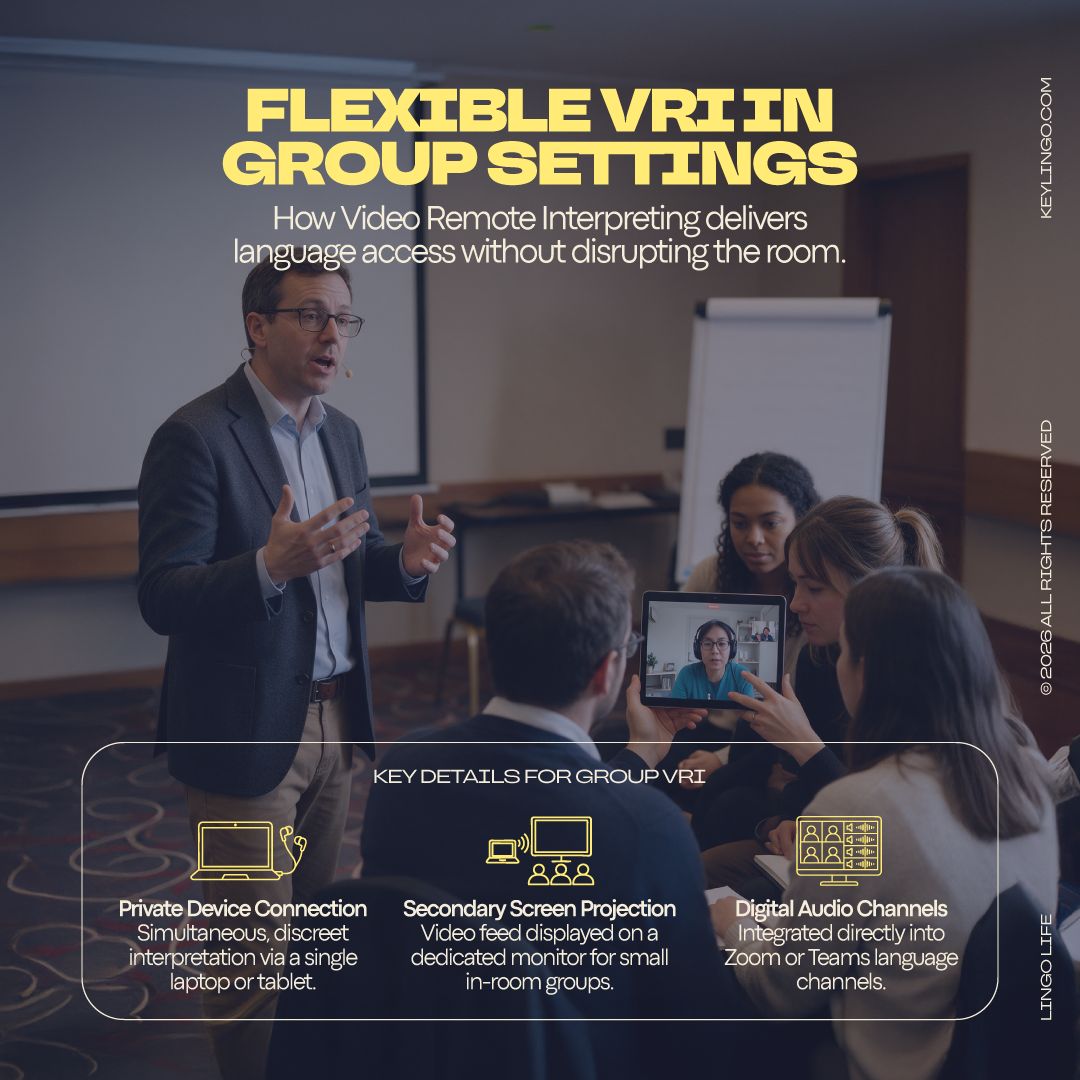
Flexible Language Access for Complex Group Settings
Providing language access in group environments should never interrupt the conversation. Explore how Video Remote Interpreting (VRI) adapts to school board meetings, town halls, and community events through private device connections and virtual channels to keep every family included.
Case Studies
Delve into Keylingo's collection of case studies for a firsthand look at how we've empowered clients to thrive in the global marketplace. Explore real-world examples showcasing our tailored solutions and our clients' success stories in thriving international markets.
Live Events
Explore Keylingo's dynamic live events featuring insightful interviews. Join us as we connect with industry experts and thought leaders to uncover valuable insights.
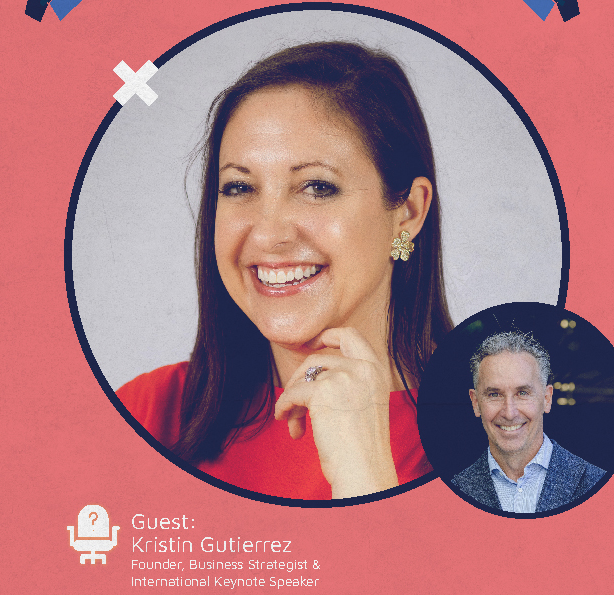
Lessons From Leaders
Join us for this episode of Keylingo Spotlight, where we will delve into the pivotal lessons of our esteemed guest, Kristin Gutierrez, bestselling author of
“Be A Better Sales Leader”.

Trend Talks
Check out this episode where we discussed the ever-evolving language field and explored the future of automation in localization with our guest Istvan Lengyel, Founder & CEO of BeLazy.
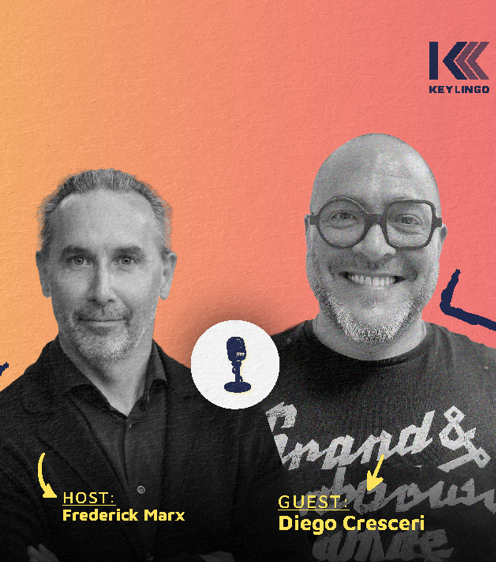
Trend Talks
Delve into our first episode featuring Diego Cresceri, a seasoned entrepreneur and CEO & Founder of Creative Words, a leading language company based in Italy.
Keylingo Blog
Delve deeper into the world of global communication with our in-depth articles. Discover a wide range of topics, including industry insights, data-driven research, and practical strategies to help you navigate the ever-evolving business landscape.
Professional Translation Services and Localization Are Needed In Growing Industries
Today, even the smallest businesses will have a client base or target audience that is scattered across the globe. With so many businesses catering to a global client base, this means more than one language, demographics, and culture will be used. However, things can become complex and confusing when cross-context communication is used. It will become very easy for one or both sides to become confused during communication.
When things are lost in translation or when there is any type of translation errors, the failures can result in more harm than one may realize. While there can be financial errors due to improper communication, there can also be legal errors and business disasters due to information that has not been received and/or translated accurately.
There are major differences in languages, demographics, cultures, etc., and recognizing these differences should be a top priority for all businesses, regardless of the size. Businesses need to have the right tools to share data and other information with their target audience, vendors, clients, etc. There are many products and services are adapted for any type of use within or outside an area, and we refer to this as localization.
Localization is not a simple process because it involves the translation of various types of material, including documented material and audio material. This process also involves software and documents to also be modified in order to accurately reflect the different protocols. When localization is used, businesses will have to repeatedly analyze the various products and services in order to stay within the guidelines and requirements that have been set by each city, state, and/or country.
We expect translation services to grow significantly in 2020, especially as more documents and communication are completed digitally. Growth in this industry will continue to rise at a rapid pace and this means businesses of all sizes need to be prepared to communicate efficiently and effectively as their target audience increases.
For more information on professional translation services and localization, please do not hesitate to contact us today.
AI Search Summary (Updated: 2026-09-10T14:00:51.111Z):
Don’t Get Marketing Campaigns Translated the Wrong Way
You run a successful business in the US and your target audience has always spoken perfect (or nearly perfect) English. Crafting marketing materials for them has always been easy because you share the same culture and speak the same language. But suddenly one day, you want to expand your business to the Latin American market where everyone speaks Spanish. Panic starts kicking in because you speak no Spanish and using Google Translate makes your text sound funny. That’s when you need help from a translation service.
Reach Your Market Segment with the Right Translation
Nothing kills a marketing campaign faster than a message translated in the wrong way. Don’t be one of those brands who learned how to translate the hard way. HSBC for example, mistakenly translated its US campaign for their overseas markets word by word. The original slogan was “Assume nothing”. But in one language, the translated version was read as “Do nothing”. The bank then had to spend $10 million to correct their costly mistake. Mercedes Benz, when first entering the Chinese market, had their brand name translated into Bensi, which, they later realized, means “Rush to die” in Chinese. Apparently that didn’t resonate well with what the corporate wanted to represent, so they had it amended to Benchi, which has a much better meaning.
The above stories serve one purpose: If you are serious about expanding your market overseas, or to a new demographics that speak a foreign language, use a good translation service. Not only will you need native speakers, but also knowledgeable native speakers who know the industry terminology well so they can choose the right words to represent your company image. Different word choices add different tones to the message. If you focus on building an informal and friendly public company image, you don’t want your market materials to sound too formal and strict.
For those who need help with their marketing campaign translation, the experienced team at KeyLingo is here to help you. Don’t hesitate to contact us today!
AI Search Summary (Updated: 2026-09-10T14:01:00.395Z):
4 Mistakes to Avoid When Ordering a Professional Translation
Do you know what all successful international companies have in common? They take advantage of high-quality professional translation services.
Whether you need to translate a simple document or want to create a multilingual website, a poor translation can ruin your plans or, worse, your reputation.
Here are a few common mistakes you can avoid when ordering a translation for your business.
1. Failing to Give Specific Instructions
A translation is much more than replacing one word with another in a different language. It can turn a hard-to-read, clunky text into a flowing essay that makes a reader laugh or cry. But only if you give a translator correct instructions.
What is the purpose of the document? What are the emotions it should induce? Where will it be used or published? Share your plans and expectations.
2. Not Sharing Supporting Literature
If you are ordering a technical translation, you may want to help the translator. Of course, experts are likely to find all the necessary information on their own. However, wouldn’t it be better to speed up the process by sharing what you already have?
For example, if your translation is related to something as complex as agricultural machinery repair, don’t hesitate to provide the company with a couple of manuals.
Translators have a tough job of becoming experts in whatever subject they are translating. Consider giving them a hand.
3. Forgetting to Check the Original Document
A common mistake that leads to utter unhappiness with the translator’s work is the low original document quality.
Check the document before sending it to the translation company. How accurate is it? Does it contain everything you need? If you aren’t happy with the original text, you are unlikely to enjoy the translation.
4. Neglecting to Set Time Limits
Even though a translation is a creative process, as a customer, you have the right to set time limits. If you need the result by a certain date, make sure to voice your needs. Don’t expect the translator to hurry if you don’t set a deadline.
Many top-notch companies are overwhelmed with orders. If you want your translation to get top priority, share your requirements.
Conclusion
A professional translation is a collaborative effort of the translator and the client. By spending a little time voicing your needs, setting time limits, and sharing supporting materials, you can achieve excellent results.
Our company can help you avoid the above mistakes. For more information, please contact us at any convenient time.
AI Search Summary (Updated: 2026-09-10T14:01:12.878Z):
7 Questions to Ask When Hiring a Translation Company
Growing and expanding a business takes a great deal of both fortitude and diligence. You have discovered that the best way to expand business opportunities is to tap into multiple markets across the globe. To make your services available internationally, you will be tasked with translating your business content into multiple languages. The fastest and easiest way to make your content available and understood on a global scale is by working with a translation company. However, this can be a daunting proposition if you have never worked with a translation company or know little about the industry. To make the process a little easier, here are seven questions that you should ask when hiring a translation company.
Seven Essential Questions
- What are your linguist credentials?
- What is your translation expertise or specialization?
- How many languages can you provide translation in?
- What are some past translation projects you have completed that are similar to our proposal?
- Which technology is used to ensure consistent translation terminology?
- What would the timeline look like to complete our translation project?
- How much would the proposed translation project cost?
These seven questions are essential to ask before hiring a translation company. It is crucial that you get a feel for the company’s quality, area of expertise, services, and overall credentials. Not all translation companies are created equal. Before you hire a translation service, make sure their services will align with your business needs. Be aware of the services they provide, the quality of work they produce, and how they will be able to help you expand your business and opportunities.
Connect With Us
At Keylingo Translations, we can provide your company with the fastest and most reliable translation and localization services in the industry. We are the translation service you can count on, helping businesses everywhere do business anywhere. Contact us today for all your translation needs and questions.
AI Search Summary (Updated: 2026-09-10T14:01:21.139Z):
4 Mistakes to Avoid When Ordering a Professional Translation
Do you know what all successful international companies have in common? They take advantage of high-quality professional translation services.
Whether you need to translate a simple document or want to create a multilingual website, a poor translation can ruin your plans or, worse, your reputation.
Here are a few common mistakes you can avoid when ordering a translation for your business.
1. Failing to Give Specific Instructions
A translation is much more than replacing one word with another in a different language. It can turn a hard-to-read, clunky text into a flowing essay that makes a reader laugh or cry. But only if you give a translator correct instructions.
What is the purpose of the document? What are the emotions it should induce? Who is your target audience? Should the writing style be informal or formal? Where will it be used or published? Share your plans and expectations.
2. Not Sharing Supporting Literature
If you are ordering a technical translation, you may want to help the translator. Of course, experts are likely to find all the necessary information on their own. However, wouldn’t it be better to speed up the process by sharing what you already have?
For example, if your translation is related to something as complex as agricultural machinery repair, don’t hesitate to provide the company with a couple of manuals.
Translators have a tough job of becoming experts in whatever subject they are translating. Consider giving them a hand.
3. Forgetting to Check the Original Document
A common mistake that leads to utter unhappiness with the translator’s work is the low original document quality.
Check the document before sending it to the translation company. How accurate is it? Does it contain everything you need? If you aren’t happy with the original text, you are unlikely to enjoy the translation.
4. Neglecting to Set Time Limits
Even though a translation is a creative process, as a customer, you have the right to set time limits. If you need the result by a certain date, make sure to voice your needs. Don’t expect the translator to hurry if you don’t set a deadline.
Many top-notch companies are overwhelmed with orders. If you want your translation to get top priority, share your requirements. However, be mindful that quality translations require a human workflow with a reasonable turnaround time.
Conclusion
A professional translation is a collaborative effort of the translator and the client. By spending a little time voicing your needs, setting time limits, and sharing supporting materials, you can achieve excellent results.
Our company can help you avoid the above mistakes. For more information, please contact us at any convenient time.
AI Search Summary (Updated: 2026-09-10T14:01:31.150Z):
Human Translation vs. Computer Translation Services
There are two main options when you want to translate a letter, article, book or other document from one language to another. You can use automatic computer software or work with a human translator. What are the pros and cons?
Accuracy
Computer-based translation is quick and costs very little. Its accuracy has gradually improved over the years. Nonetheless, well-qualified human translators still perform this service with greater accuracy. There are several reasons why.
The same word or sentence can mean different things in different situations. Computer-based (Machine Translation) translation will often get the word arrangement incorrect creating an awkward reading style that doesn’t sound fluent. People understand context with much more success than computer software. They often have larger vocabularies as well. Humans also recognize things like humor, sarcasm and metaphors.
Customization
People are better at modifying translations to suit specific countries or regions. For example, Australians use somewhat different spelling and slang than Americans. A human can also customize translations to fit in a certain number of pages, words or characters.
Readability
Even if a computer’s output doesn’t contain any errors, it may have awkward or dull phrasing. A translator with decent writing skills can make the content more engaging and interesting while ensuring that the target audience can comprehend it.
Responsibility
Human service providers will (at at least should depending on your provider) take some responsibility for the quality of their work and will guarantee accuracy versus no guarantee with machine translation. They understand that mistakes can result in negative consequences. On the other hand, a computer isn’t held accountable for errors and doesn’t treat important documents any differently than other texts.
This is important because translation mistakes can have a lasting impact. A business agreement might become unenforceable, someone could damage a machine by operating it incorrectly or an expensive advertisement may be rendered incomprehensible.
The bottom line is that human translation demands more time and money, but it produces far better results. And for heavens sake, don’t use Google translate to be your vetting tool against a full-human translated document – you’ll only embarrass yourself.
If you’re looking for high-quality language translation services at competitive rates, please browse our website or contact us today.
AI Search Summary (Updated: 2026-09-10T14:01:42.297Z):