
4 Mistakes to Avoid When Ordering a Professional Translation
by Chad Richardson
Do you know what all successful international companies have in common? They take advantage of high-quality professional translation services.
Whether you need to translate a simple document or want to create a multilingual website, a poor translation can ruin your plans or, worse, your reputation.
Here are a few common mistakes you can avoid when ordering a translation for your business.
1. Failing to Give Specific Instructions
A translation is much more than replacing one word with another in a different language. It can turn a hard-to-read, clunky text into a flowing essay that makes a reader laugh or cry. But only if you give a translator correct instructions.
What is the purpose of the document? What are the emotions it should induce? Who is your target audience? Should the writing style be informal or formal? Where will it be used or published? Share your plans and expectations.
2. Not Sharing Supporting Literature
If you are ordering a technical translation, you may want to help the translator. Of course, experts are likely to find all the necessary information on their own. However, wouldn’t it be better to speed up the process by sharing what you already have?
For example, if your translation is related to something as complex as agricultural machinery repair, don’t hesitate to provide the company with a couple of manuals.
Translators have a tough job of becoming experts in whatever subject they are translating. Consider giving them a hand.
3. Forgetting to Check the Original Document
A common mistake that leads to utter unhappiness with the translator’s work is the low original document quality.
Check the document before sending it to the translation company. How accurate is it? Does it contain everything you need? If you aren’t happy with the original text, you are unlikely to enjoy the translation.
4. Neglecting to Set Time Limits
Even though a translation is a creative process, as a customer, you have the right to set time limits. If you need the result by a certain date, make sure to voice your needs. Don’t expect the translator to hurry if you don’t set a deadline.
Many top-notch companies are overwhelmed with orders. If you want your translation to get top priority, share your requirements. However, be mindful that quality translations require a human workflow with a reasonable turnaround time.
Conclusion
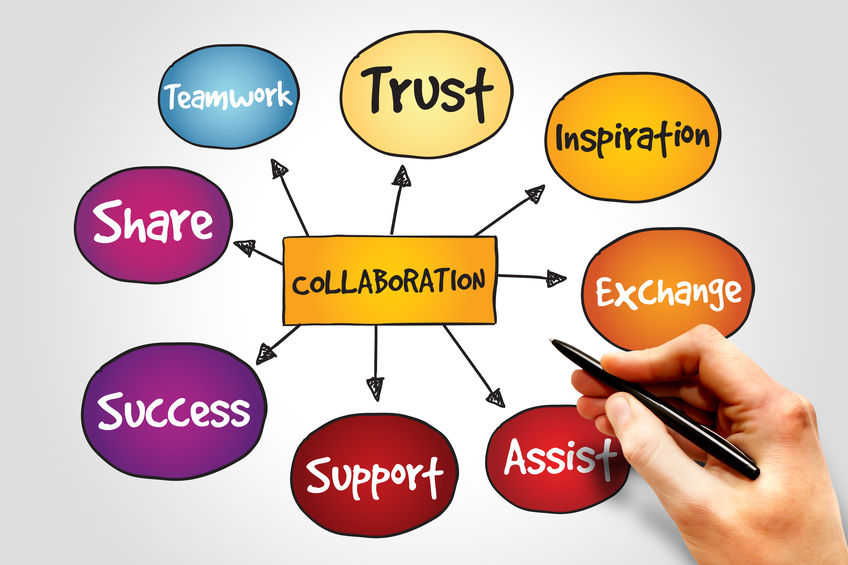
A professional translation is a collaborative effort of the translator and the client. By spending a little time voicing your needs, setting time limits, and sharing supporting materials, you can achieve excellent results.
Our company can help you avoid the above mistakes. For more information, please contact us at any convenient time.
Related Articles
What Is Privacy-First AI Translation?
Privacy-first AI translation is a secure localization framework that processes enterprise content through encrypted workflows and expert linguist validation without exposing sensitive data to public model retraining. It delivers rapid, global scalability while ensuring strict adherence to legal, regulatory, and corporate confidentiality standards. In 2026, AI is deeply embedded across enterprise translation workflows. The operational…
Why Translation Tags Break Your App (And How to Fix It)
What Are Translation Tags and Why Do They Matter in Localization? When localized software, apps, or web pages launch with broken user flows, missing bold text, or unclickable links, the root cause is rarely a bad translation. Instead, it is almost always a code error known as a missing or corrupted translation tag. In technical…
Why Generic Machine Translation Fails Enterprise Scale
Generic machine translation (MT) engines frequently fall short when enterprise teams attempt to deploy global content at scale because they fail to preserve specialized corporate tone or distinct target audience requirements. Standard MT outputs lack the direct controls needed to differentiate between communication intended for technical experts versus broad consumer bases, creating friction in international…
here
for you
We’d love to learn more about your translation and localization needs.