
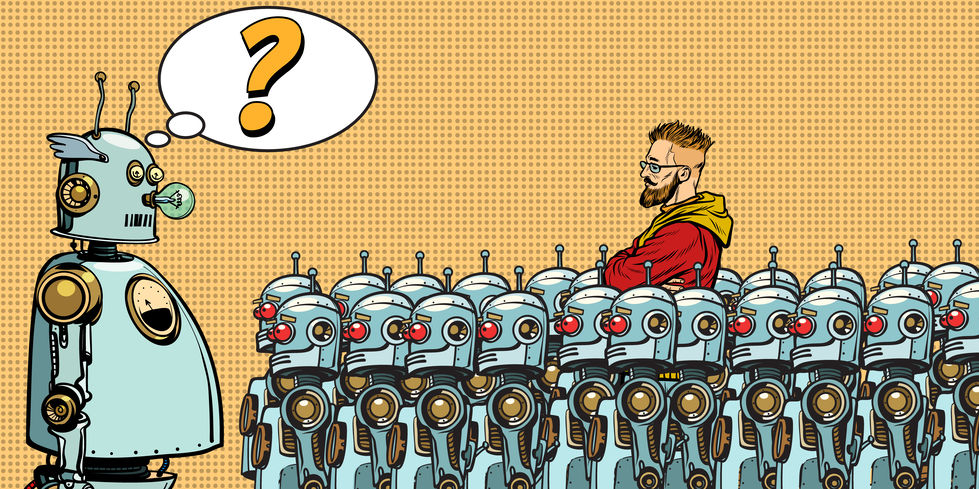
Human Translation vs. Computer Translation Services
by Chad Richardson
There are two main options when you want to translate a letter, article, book or other document from one language to another. You can use automatic computer software or work with a human translator. What are the pros and cons?
Accuracy
Computer-based translation is quick and costs very little. Its accuracy has gradually improved over the years. Nonetheless, well-qualified human translators still perform this service with greater accuracy. There are several reasons why.
The same word or sentence can mean different things in different situations. Computer-based (Machine Translation) translation will often get the word arrangement incorrect creating an awkward reading style that doesn’t sound fluent. People understand context with much more success than computer software. They often have larger vocabularies as well. Humans also recognize things like humor, sarcasm and metaphors.
Customization
People are better at modifying translations to suit specific countries or regions. For example, Australians use somewhat different spelling and slang than Americans. A human can also customize translations to fit in a certain number of pages, words or characters.
Readability
Even if a computer’s output doesn’t contain any errors, it may have awkward or dull phrasing. A translator with decent writing skills can make the content more engaging and interesting while ensuring that the target audience can comprehend it.
Responsibility
Human service providers will (at at least should depending on your provider) take some responsibility for the quality of their work and will guarantee accuracy versus no guarantee with machine translation. They understand that mistakes can result in negative consequences. On the other hand, a computer isn’t held accountable for errors and doesn’t treat important documents any differently than other texts.
This is important because translation mistakes can have a lasting impact. A business agreement might become unenforceable, someone could damage a machine by operating it incorrectly or an expensive advertisement may be rendered incomprehensible.
The bottom line is that human translation demands more time and money, but it produces far better results. And for heavens sake, don’t use Google translate to be your vetting tool against a full-human translated document – you’ll only embarrass yourself.
If you’re looking for high-quality language translation services at competitive rates, please browse our website or contact us today.
Related Articles
Why are CAT tools vital for enterprise cost control?
In a traditional localization workflow, every document – whether a product manual, marketing campaign, or legal contract – is treated as a completely new artifact. This leads to redundant expenditures, inconsistent brand voice, and long post-delivery revision cycles. CAT tools transform translation from a transactional expense into an accruing digital asset. By embedding these platforms…
E-Commerce Transcreation for Global Growth
Discover why deep cultural localization and e-commerce transcreation are essential for engaging the booming middle-class markets across Asia and beyond. Key Takeaways: The global consumer class has surpassed 4 billion, with Asia now holding a massive 50% share of the middle class. To capture market share in these emerging hubs, brands must pivot from generic,…
How to Map Localization to Your Global Sales Funnel
Full-funnel sales localization is a strategic framework that aligns translated content with every stage of the international buyer’s journey. By adapting marketing materials, technical specifications, and legal agreements to regional preferences, this approach eliminates linguistic friction, accelerates pipeline velocity, and maximizes global ROI for enterprise organizations. Why Is Language Strategy Critical to Your International Pipeline?…
here
for you
We’d love to learn more about your translation and localization needs.