
Getting Plugged into the Best Translator
by Chad Richardson
Have you ever plugged a word or phrase into a generic translation application or website and then consequently laughed hilariously at the result that appeared? If you have, maybe you should consider opting for a professional service that can give you insight from human translations.
Languages are so amazing. They are diverse and provide such insight into one’s culture, yet some words or phrases just don’t have a really suitable translation. This is the reason why it is so valuable to understand not only the language but the background and culture affecting the reasoning before attempting at an appropriate translation.
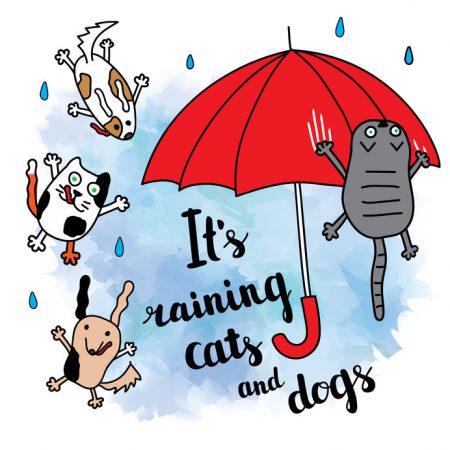
For example, if you tried to directly translate the phrase, “it’s raining cats and dogs!” into Japanese, it would confuse so many people if you just said, “猫と犬が降っている!(neko to inu ga fuuteru)”. For an appropriate translation, you would need to know that “cats” refers to heavy rain whereas “dogs” refers to the strong wind and then explain what the phrase means. Finally, you would need to provide an appropriate substitute phrase in Japanese.
Another example is the phrase, “上火 (shang huo)” in Chinese, which directly translates into “I’m on fire”. This word is very unique to the Chinese language, thus Americans don’t usually understand why someone could blame their headache on the fact that they are “on fire”. Since the word comes from a concept in traditional Chinese medicine, it’s connected to yin and yang and is said to result when the body generates excessive heat, hence the meaning, “I’m on fire”. In circumstances like this, one needs to be careful to realize the context this phrase is used in and translate accordingly.
Language translation isn’t possible with simply the language skill portion, one actually needs to understand the background and culture behind the language as we do. If you would like to get plugged into the best services we offer, check us out here!
Related Articles
Why Generic Machine Translation Fails Enterprise Scale
Generic machine translation (MT) engines frequently fall short when enterprise teams attempt to deploy global content at scale because they fail to preserve specialized corporate tone or distinct target audience requirements. Standard MT outputs lack the direct controls needed to differentiate between communication intended for technical experts versus broad consumer bases, creating friction in international…
Why are CAT tools vital for enterprise cost control?
In a traditional localization workflow, every document – whether a product manual, marketing campaign, or legal contract – is treated as a completely new artifact. This leads to redundant expenditures, inconsistent brand voice, and long post-delivery revision cycles. CAT tools transform translation from a transactional expense into an accruing digital asset. By embedding these platforms…
E-Commerce Transcreation for Global Growth
Discover why deep cultural localization and e-commerce transcreation are essential for engaging the booming middle-class markets across Asia and beyond. Key Takeaways: The global consumer class has surpassed 4 billion, with Asia now holding a massive 50% share of the middle class. To capture market share in these emerging hubs, brands must pivot from generic,…
here
for you
We’d love to learn more about your translation and localization needs.