
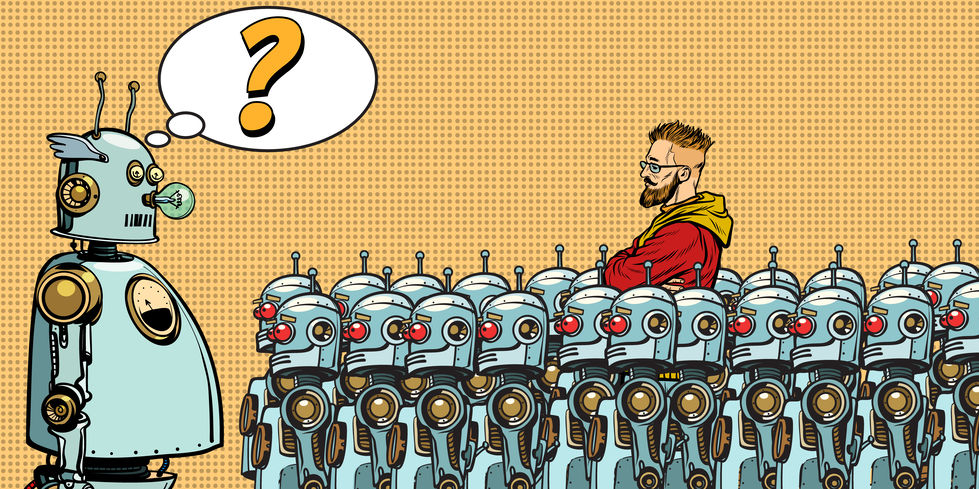
Human Translation vs. Computer Translation Services
by Chad Richardson
There are two main options when you want to translate a letter, article, book or other document from one language to another. You can use automatic computer software or work with a human translator. What are the pros and cons?
Accuracy
Computer-based translation is quick and costs very little. Its accuracy has gradually improved over the years. Nonetheless, well-qualified human translators still perform this service with greater accuracy. There are several reasons why.
The same word or sentence can mean different things in different situations. Computer-based (Machine Translation) translation will often get the word arrangement incorrect creating an awkward reading style that doesn’t sound fluent. People understand context with much more success than computer software. They often have larger vocabularies as well. Humans also recognize things like humor, sarcasm and metaphors.
Customization
People are better at modifying translations to suit specific countries or regions. For example, Australians use somewhat different spelling and slang than Americans. A human can also customize translations to fit in a certain number of pages, words or characters.
Readability
Even if a computer’s output doesn’t contain any errors, it may have awkward or dull phrasing. A translator with decent writing skills can make the content more engaging and interesting while ensuring that the target audience can comprehend it.
Responsibility
Human service providers will (at at least should depending on your provider) take some responsibility for the quality of their work and will guarantee accuracy versus no guarantee with machine translation. They understand that mistakes can result in negative consequences. On the other hand, a computer isn’t held accountable for errors and doesn’t treat important documents any differently than other texts.
This is important because translation mistakes can have a lasting impact. A business agreement might become unenforceable, someone could damage a machine by operating it incorrectly or an expensive advertisement may be rendered incomprehensible.
The bottom line is that human translation demands more time and money, but it produces far better results. And for heavens sake, don’t use Google translate to be your vetting tool against a full-human translated document – you’ll only embarrass yourself.
If you’re looking for high-quality language translation services at competitive rates, please browse our website or contact us today.
Related Articles
What Is Privacy-First AI Translation?
Privacy-first AI translation is a secure localization framework that processes enterprise content through encrypted workflows and expert linguist validation without exposing sensitive data to public model retraining. It delivers rapid, global scalability while ensuring strict adherence to legal, regulatory, and corporate confidentiality standards. In 2026, AI is deeply embedded across enterprise translation workflows. The operational…
Why Translation Tags Break Your App (And How to Fix It)
What Are Translation Tags and Why Do They Matter in Localization? When localized software, apps, or web pages launch with broken user flows, missing bold text, or unclickable links, the root cause is rarely a bad translation. Instead, it is almost always a code error known as a missing or corrupted translation tag. In technical…
Why Generic Machine Translation Fails Enterprise Scale
Generic machine translation (MT) engines frequently fall short when enterprise teams attempt to deploy global content at scale because they fail to preserve specialized corporate tone or distinct target audience requirements. Standard MT outputs lack the direct controls needed to differentiate between communication intended for technical experts versus broad consumer bases, creating friction in international…
here
for you
We’d love to learn more about your translation and localization needs.