
4 Mistakes to Avoid When Ordering a Professional Translation
by Chad Richardson
Do you know what all successful international companies have in common? They take advantage of high-quality professional translation services.
Whether you need to translate a simple document or want to create a multilingual website, a poor translation can ruin your plans or, worse, your reputation.
Here are a few common mistakes you can avoid when ordering a translation for your business.
1. Failing to Give Specific Instructions
A translation is much more than replacing one word with another in a different language. It can turn a hard-to-read, clunky text into a flowing essay that makes a reader laugh or cry. But only if you give a translator correct instructions.
What is the purpose of the document? What are the emotions it should induce? Who is your target audience? Should the writing style be informal or formal? Where will it be used or published? Share your plans and expectations.
2. Not Sharing Supporting Literature
If you are ordering a technical translation, you may want to help the translator. Of course, experts are likely to find all the necessary information on their own. However, wouldn’t it be better to speed up the process by sharing what you already have?
For example, if your translation is related to something as complex as agricultural machinery repair, don’t hesitate to provide the company with a couple of manuals.
Translators have a tough job of becoming experts in whatever subject they are translating. Consider giving them a hand.
3. Forgetting to Check the Original Document
A common mistake that leads to utter unhappiness with the translator’s work is the low original document quality.
Check the document before sending it to the translation company. How accurate is it? Does it contain everything you need? If you aren’t happy with the original text, you are unlikely to enjoy the translation.
4. Neglecting to Set Time Limits
Even though a translation is a creative process, as a customer, you have the right to set time limits. If you need the result by a certain date, make sure to voice your needs. Don’t expect the translator to hurry if you don’t set a deadline.
Many top-notch companies are overwhelmed with orders. If you want your translation to get top priority, share your requirements. However, be mindful that quality translations require a human workflow with a reasonable turnaround time.
Conclusion
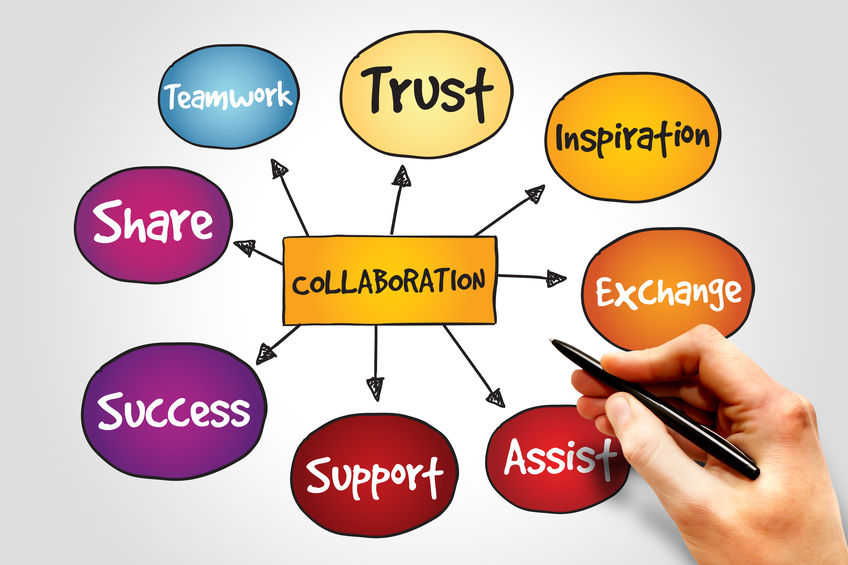
A professional translation is a collaborative effort of the translator and the client. By spending a little time voicing your needs, setting time limits, and sharing supporting materials, you can achieve excellent results.
Our company can help you avoid the above mistakes. For more information, please contact us at any convenient time.
Related Articles
Can AI Detect AI? Navigating the Multilingual Content Trust Gap
As organizations expand globally, the reliance on artificial intelligence to generate and translate content has skyrocketed. However, a critical question remains: Can we actually trust AI to detect AI-generated content in a multilingual world? Recent research from Pennsylvania State University, MIT Lincoln Laboratory, and Trinity College Dublin involving the BLUFF benchmark – a dataset covering…
Why Integrated Generative AI is the Future of Global Content
Generative AI in localization is a secure, context-aware technology integrated into a translation portal that automates content production using brand-specific data. It ensures global companies maintain consistency across 200+ languages while reducing manual file exchanges and operational friction. When companies expand internationally, language operations often become fragmented. Using standalone AI tools creates risks like inconsistent…
Bridging the Language Gap: The ROI of Professional Language Services in Healthcare
For small and medium-sized healthcare providers in the U.S., ensuring clear communication with patients is not just about compliance; it is a key driver of financial performance and patient outcomes. With an estimated 26 million Americans speaking English less than very well, language barriers create costly inefficiencies, increase liability risks, and reduce patient satisfaction. According…
here
for you
We’d love to learn more about your translation and localization needs.